
Debt Hunt Characters Guide
Every role in the contract explained — from the basic contractor to the specialist you unlock with play time.
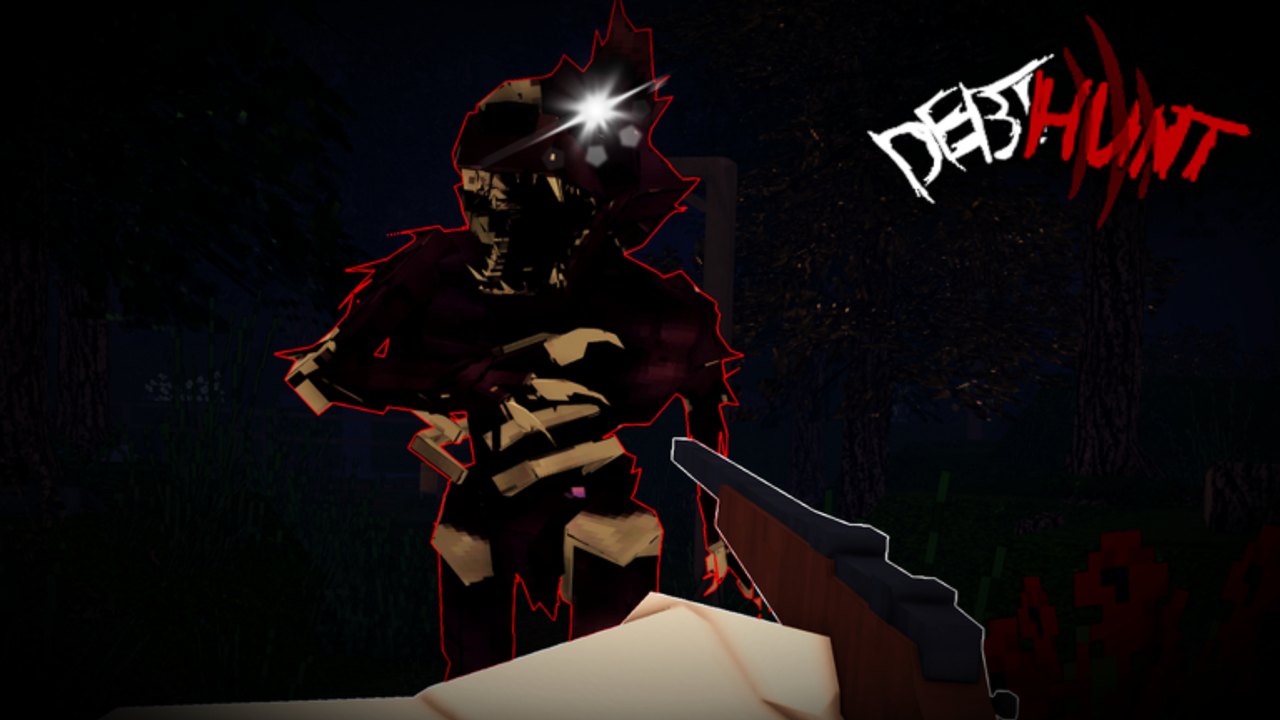
Debt Hunt is a Roblox survival experience with a contract loop. The “characters” are not locked heroes with unique abilities — they are contractors with different roles, badges, and specializations that emerge from how you play. This guide explains what roles exist, how to use them, and why the carry in the official art is a gameplay archetype, not a portrait.
The contractor baseline
Every player starts as the same thing: a contractor with a quota, a day clock, and access to the same tools. The difference between contractors comes from:
- Play time — badges accumulate across runs and unlock proof of specialization.
- Role assignment — in co-op, different players take different jobs.
- DarkMarket buys — a player who spends on light vs ammo vs medical has a different effective role.
There are no character screens or unlock trees in the official experience. The “character” you see is your loadout and your badge collection.
Role archetypes
The photographer
The camera is a core tool, not a toy. Master Photographer is 1,000 photos, which means the studio built photography as a serious income path. A photographer:
- Prioritizes photo subjects over combat.
- Carries minimal gear to keep the camera hotbar-accessible.
- Calls out highlighted subjects for the squad.
- Does not tunnel on combat loot when a photo subject is nearby.
Badge to watch: Master Photographer (1,000 photos).
The scavenger
Provision Master is 150 supply box opens, and it exists because boxes are the backbone of fast income. A scavenger:
- Sweeps box pockets in the first ten minutes.
- Coordinates with the team so boxes are not double-checked unnecessarily.
- Uses DarkMarket bag upgrades to carry more between pockets.
- Does not stop scavenging for combat unless the squad calls a defensive halt.
Badge to watch: Provision Master (150 opens).
The miner
Master Miner is 500 mineral ores, which makes mining a legitimate career path in the contract. A miner:
- Prioritizes node clusters on route, not off-route caves.
- Stops mining when the sky turns orange.
- Works the daylight hours before sunset for maximum output.
- Does not make a long tunnel run the night plan.
Badge to watch: Master Miner (500 ores).
The medic / carry
The official overview art shows carrying a wounded teammate. This is a gameplay beat, not decoration. A medic:
- Prioritizes HP and carry tools over firepower.
- Does not engage the wolf if it means dropping a teammate.
- Coordinates with a shooter who can cover while the medic drags.
- Uses DarkMarket medical items when HP is low.
Badges: By a Thread (win at 1 HP) and the carry mechanic itself.
The shooter / defender
Combat is situational, not the main income path. A shooter:
- Has a gun and enough ammo to defend the rally.
- Does not hunt the wolf for sport.
- Covers the extract rotation when the squad is moving.
- Uses interior geometry (doorways, corners) instead of open fields.
Weapon advice on combat.
The archaeologist
Treasures are buried and require a dig action. Archaeologist is 100 digs. An archaeologist:
- Marks treasure mounds on the route before sunset.
- Does not detour for an isolated mound when the sky is moving.
- Digs quickly and rotates — treasure alarm exists, which means burying value draws attention.
Badge to watch: Archaeologist (100 digs).
Solo vs squad roles
Solo players need to blend roles. You cannot be a dedicated photographer AND a dedicated miner AND a dedicated shooter when the sunset starts. Solo bias:
- S-tier loot priority — supply boxes and photos first, because they are fastest.
- Independent default — skip DarkMarket unless a tool changes the day math.
- Earlier extract — leave before the sky changes, not during.
Squad players can specialize. The co-op guide covers role splits in detail.
What roles are not
- Roles are not locked classes. A miner can also be a shooter if the squad needs it.
- Roles are not character screens. There is no “switch to medic mode” button.
- Roles are not confirmed from a character select. The badge collection proves specialization.
Badge ladder
The persistent profile has levels and badges that span multiple runs:
- Level 1–100 — persistent XP track. The game tracks your profile across contracts.
- Easy Does It / Balanced / Tough / Insane — difficulty clears.
- Warlord (250 wins) — long-term endurance.
- Legendary Hunter (level 100) — profile milestone.
- Millionaire (1,000,000 Cash saved) — financial milestone.
These badges tell you what a player specializes in, not what button they pressed.
How to use this guide
Read this page to understand the role archetypes, then match your play style:
- New players: try the photographer or scavenger role first. Low risk, high quota contribution.
- Mid players: blend scavenger and miner. High income, moderate risk if you tunnel.
- Advanced players: add shooter and medic skills for Hard and Insane runs.
- Squad leaders: assign roles in the first two minutes using the run checklist.
Related pages
- Getting Started — first contract tutorial
- Co-op — squad role coordination
- Solo runs — solo role blending
- Badges — full badge list and how to earn them
- Loadouts — DarkMarket buys per role
Frequently Asked Questions
Quick answers to the most common Debt Hunt questions.
Can I switch between roles mid-run?
Yes. Roles are not locked classes. If the squad needs a shooter and you have a gun, you become a shooter for that fight.
What is the best role for a new player?
Photographer or scavenger. Both contribute to the quota without requiring combat or long tunnel runs.
Do characters have special abilities?
No confirmed special abilities. Roles are defined by your badge collection, loadout, and play style.
Can I play solo with a specific role?
Solo players blend roles. Focus on S-tier loot (boxes, photos) and skip combat-heavy builds until you have a quota buffer.